
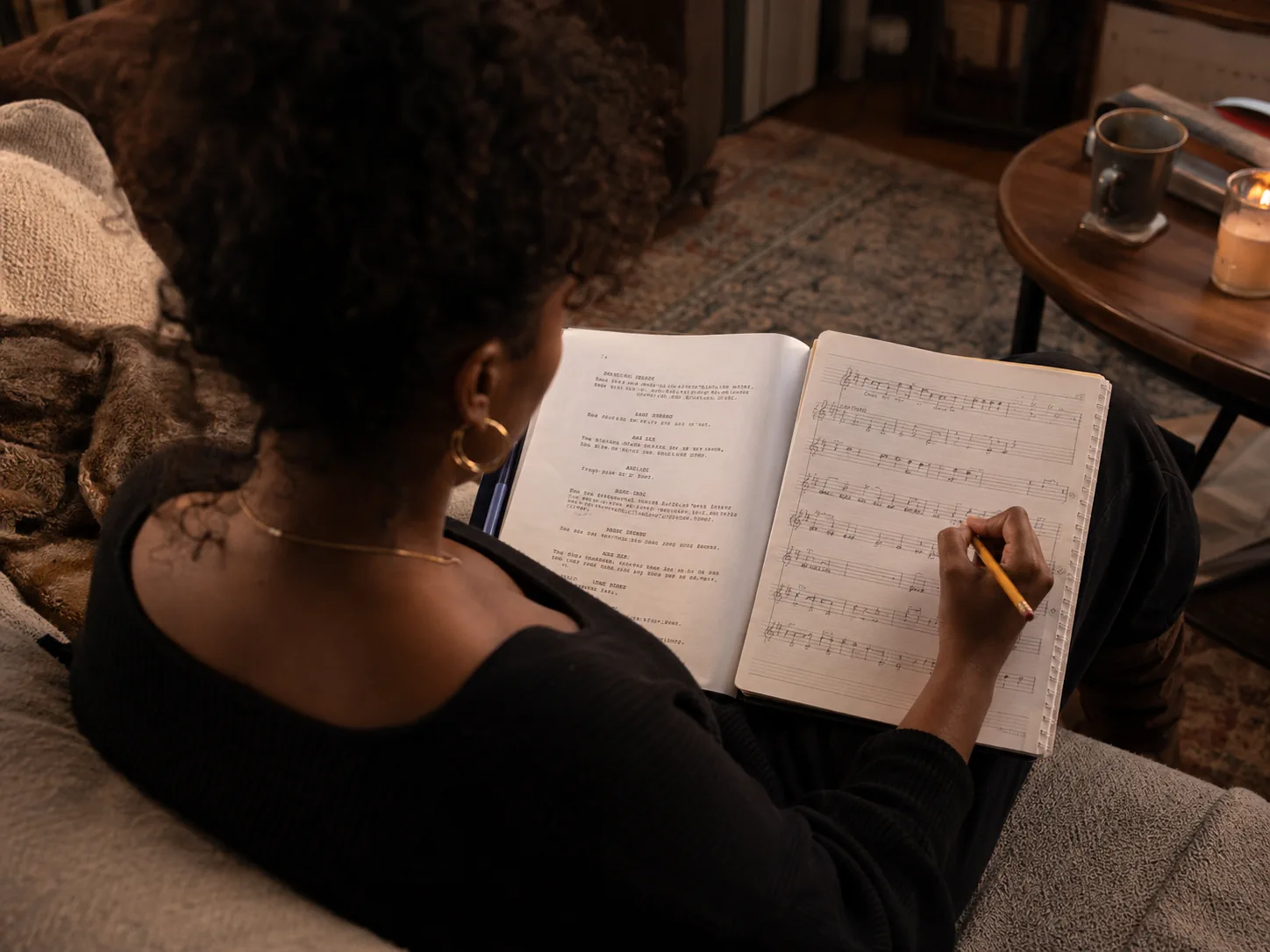
Writing or composing for musical theatre has joys and challenges that can be pretty different from writing for other genres. This guide is an introduction for new and emerging musical theatre writers.
Useful Skills
The most successful musical theatre writers often have a diverse skill set. As you work on your own education and development, here are some skills you might consider working toward:
Technical Skills
- Recording & audio engineering
- Video editing
- Graphic design
- Web design
Musical Skills
- Composition and orchestration
- Virtual orchestration
- Piano skills
- Voice & vocal coaching
- Conducting
Theatrical Skills
- Playwriting
- Acting
- Directing
- Music Directing
- Production
- Live Sound & Sound Design
Business Skills
- Marketing & social media
- Large-scale organizational skills
- Networking
- Fundraising
Soft Skills
- People skills
- Communication skills
- Conflict resolution & mediation
Collaborating
Musical theatre is an intrinsically collaborative field. Collaborating with other artists can be the best and worst parts of the experience of working in musical theatre. While there's a lot to be said about this, here are some general guidelines.
Learn to do a little bit of everything, but focus on doing a few things exceptionally well. You should try your hand at writing book, lyrics, and music, as part of your own education. With good training and more experience, you can grow in any of these areas. However, you ultimately only need to be exceptional at one of these to make a career in musical theatre writing. While some people genuinely excel at all three, for most people, they'll do better by identifying their strengths and finding collaborators who excel in the others.
As much as possible, collaborate with others who are better than you. It can feel scary to work with others whose skills outshine your own, but if they're willing to work with you, they see something of value in you, and you can learn a lot from them. Furthermore, you don't have to be a great bookwriter, lyricist, or composer in order to be an excellent editor! Give your collaborators feedback and learn from how they make changes. Often, the best education comes from observing how others improve their work based on the feedback you provide.
If you work in the field for a while, you will, at some point, encounter a collaborator who is bad to work with. They may be terrible communicators, disappearing for days or weeks at a time. They might treat you poorly, even abusively. They might be exceedingly negative, constantly bringing down morale in productions. They might be psychologically unwell or exist in a perpetual state of crisis. The arts are often a safe haven for people with mental health issues, and that's a wonderful thing. But it also means you will likely encounter some people who, however talented they are, aren't worth the distress they cause you or others in your production. In general, if you're convinced that this is who they are, it's probably best to wrap up whatever you're working on with them (assuming you can do so relatively quickly and safely) and move on.
It's also important to make sure that you're not this person for other people. Aim to become the type of person others want to work with. If you have psychological or psychiatric problems, consider seeking out treatment. Create realistic expectations with the person about your communication and availability. Support your collaborators, productively challenge each other, and work together with mutual respect. Be honest and honor your word and your commitments.
I also highly recommend that you and your collaborator sign a collaborator agreement custom drafted by an attorney. It's an important way to make sure you're both on the same page, set your expectations, and plan ahead for what will happen with your joint works if the collaboration fails. (Note that the US has Joint Works laws that apply if you don't contractually make other arrangements. These laws can work for or against you, so it's good to look into them.)
On Problematic Collaborators
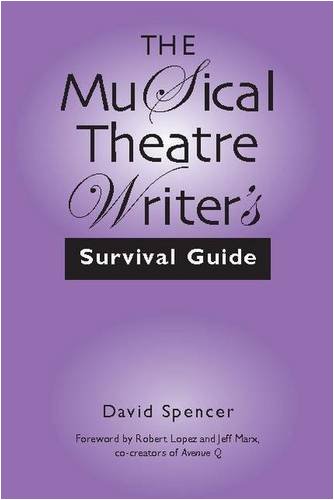
"What if you're in a collaboration that's yielding genuinely terrific work, but your collaborator, however artistically capable and diligent, is—let's put this diplomatically—emotionally problematic, beyond any hope of reform or interpersonal negotiation? If the difficult behavior primarily shows up in private, the answer depends entirely upon your stamina...If, on the other hand, your partner's behavioral psychoses show up in public displays...then I would say cut your losses and run. Once the environment becomes so poisonous that it seeps beyond collaborative controls, good work is almost never enough to compensate for bad reputations."
—David Spencer, The Musical Theatre Writer's Survival Guide, p. 6
Growing as an Artist
Starting off in a new field can be overwhelming, and it can be challenging to get a good grasp of your skill and your potential.
If you think you're terrific right from the start, you may be succumbing to the Dunning-Kruger Effect, a cognitive bias where poople overestimate their knowledge or abilities, because they simply lack enough knowledge to get a realistic picture.
If, on the other hand, you feel that you're just miles away from what you'd consider to be good, that's to be expected! Check out this superb short video of Ira Glass for a different way to think about this!
Almost always, creators need to write a bad work before they write a mediocre one before they write a good one before they write a great one. Especially as you first develop, expect to look back at older work and think, "Wow, I could do that so much better now." That's a sign that you're growing fast!
Education
If you're considering going to university to study musical theatre writing, you should know that there aren't a lot of these programs. NYU, Berklee, and Boston Conservatory offer degrees in them. Some other institutions offer courses or minors. You can have a robust career even without such a degree, however, and many musical theatre writers start off in degrees in music (often composition), theatre, or writing.
Formal education, though, is only part of the picture. There are some acclaimed non-degreed programs, like the BMI Lehman Engel Musical Theatre Workshop in New York and the ASCAP Foundation Musical Theatre Workshop in LA.
Whatever path you pursue, here are some things that will likely help you grow:
- Find a strong teacher or mentor. While they don't have to be musical theatre writers, someone who's already in the field is usually best positioned to help you.
- Develop a trusted network of peers. Share work with other writers, particularly playwrights and musical theatre composer/lyricists. Find a group where you support and challenge each other.
- Watch as much live theatre as you can – musicals and straight plays! There are also many filmed musicals that are worth watching, but you can learn a lot from not only watching the work, but observing how audiences react.
- Develop your skills by studying composition, voice, and piano. Be sure to find strong teachers. Voice instruction is particularly prone to teachers who are either underqualified or who have only really trained in classical singing. If a voice teacher tells you that all singing is the same and you can just modify classical technique to sing in a musical theatre style, I recommend you find a different teacher. The latest research out of CCM (Contemporary Commercial Music) programs, like at Shenandoah, suggest that this common belief isn't supportable by scientific study of the voice.
- Study successful musicals! Play through other composers' scores and other writers' libretti/lyrics to see what you can learn! Don't know where to start? Start with the list here, covering some important musicals through 2017!
Competitions
There are actually relatively few opportunities for emerging musical theatre writers to submit work for competitions on a large (national/international) scale. Some of the most prestigious ones include the Fred Ebb Award, Jonathan Larson Grants, Kleban Prize, Richard Rodgers Awards, the Relentless Award, and the Pipeline Awards. With so few awards, the competition is steep, with most competitions receiving 500-600 submissions and some selecting as few as one winner.
There are, however, numerous opportunities to apply for a residency, submit for the opportunity to workshop your musical, and to submit your work for production consideration. This includes some incredibly prominent ones, like the NAMT Festival of New Musicals, the O'Neill National Music Theater Conference, Goodspeed Musicals, Rhinebeck Writers Retreat, and more.
There are many places online to find information about these, but here are a couple of popular ones that have free resources:
- Playsubmissionshelper.com – A paid service, but they have a free monthly posting of opportunities
- Reddit.com/r/musicalwriting - A popular reddit thread for musical theatre writers. (Here's a thread with a list of some of the major opportunities.)
A Google or AI search can often produce many opportunities too. Most resource sites, however, are membership-based, such as those through Dramatists Guild, musicalwriters.com, etc.
High school students might want to look into the NAMT Musical Theater Songwriting Challenge.
General Advice
Here's some general advice for new and emerging musical theatre writers (for quote attributions, click here):
- "Writing is rewriting." Don't expect your first draft to be brilliant. The best work comes after much revision.
- "Art is never finished, merely abandoned." At a certain point, you need to call a work done, take what you've learned, and move to the next project.
- "The perfect is the enemy of the good." Aim for excellence. Write, rewrite, workshop, solicit feedback, rewrite some more. But at a certain point, it's possible to tip the scale into perfectionism, which may keep you from completing work.
- "Kill your darlings." You may need to cut lines, songs, and scenes that don't serve your story. If you love it, it may be terrible to have to cut it, but have the courage to do what's right for your project. Hang onto the stuff you cut; it may find its way into another project!
- Don't ignore what isn't working. If something isn't working, you'll often know. Maybe every time you read it, you get a slightly uncomfortable feeling. Be honest with yourself and visit that for revision. Or maybe people keep offering up changes for a song or scene and their advice is at odds. That usually means that there's something wrong with that section, even if they can't diagnose it or effectively solve it. Take another look and see what's not working.
- Feedback is vulnerable in both directions. We're usually aware that receiving feedback can be vulnerable, even painful, but fail to recognize that giving feedback can be equally vulnerable. Honor both sides of that. Give feedback with honesty, respect, and love, and only when people request it from you. Receive feedback assuming the best and giving it real thought. The feedback could be dead wrong; it was still a vulnerable act for that person to give it to you, and you should honor that.
- Pursue careers in the arts when you must. Careers in the arts are exceptionally challenging. Working in the arts can always be a part of your life, but if you're making it your central career, know that it can be grueling. It's usually best to pursue it as your main career only when you can't imagine yourself happy doing anything else. Even then, brace yourself for a hard path – one that sometimes risks leaving you hating the field you once loved.
- Be the person others want to work with. Bring your best self to your work in musical theatre. Try not to take things personally, show up for other artists, and try to stay calm and positive. Ultimately, as mentioned earlier, aim to be the type of artist that other people want to work with.
- Pick your early projects carefully. Your first musical or two will likely not be great, and that's OK. It's often best to start with small projects – maybe a 10- to 40-minute mini-musical. It'll help you build your chops and get you ready for your bigger undertakings. When you're ready to write a full-length musical, be sure you have legal clearance to do so (for instance, gaining legal rights if you're adapting another work) and that you consider producibility. While already famous musical theatre writers may be able to put on musicals with large casts and pit orchestras, it will likely be a long time before you can. Consider producibility, so that you can get your work put on. It's part of your growth and overly ambitious projects may mean you never get to see work on its feet.
- Produce your own work...well. For your early work, you might need to produce concept cast recordings, readings, and workshops yourself. Save up, plan, and do it right. A mediocre recording of a full show of yours may be less useful for you than really fantastic recordings of a handful of songs.
Further Resources
Houston-Area
If you're Houston-based, like I am, here are some resources to look into:
For Lyricists
- WikiRhymer - a great online rhyming dictionary
- RhymeZone - another popular rhyming dictionary
- You'll likely find yourself checking a dictionary and thesaurus a lot! Take your pick of the many strong ones online.
Formatting
Resources for correctly formatting your scores and scripts:
- Script Formatting Guide from the Dramatists Guild
- Final Draft - Premium software for writing scripts for stage, film, and TV
- Notation Central Musical Theatre Templates - custom templates for Dorico, Sibelius, and Finale
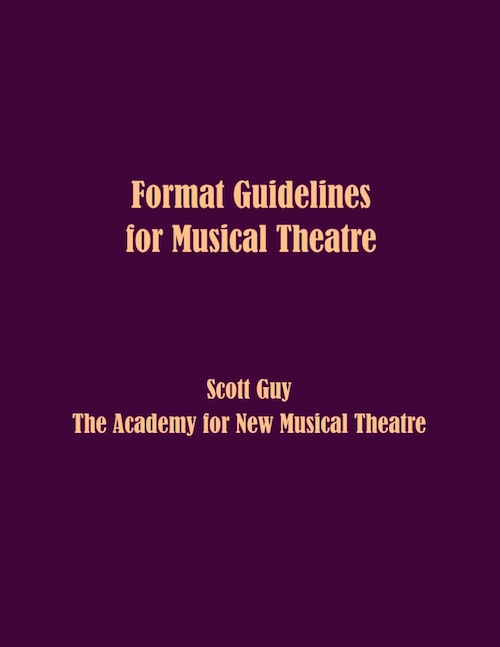
- Formatting Guidelines for Musical Theatre - a book with formatting recommendations
Software
- Music Notation software:
- Digital Audio Workstations (DAWs)
- Avid Pro Tools - Recommended for audio engineering
- Logic Pro - Recommended for virtual orchestration and mixing/mastering
- Numerous freeware options exist too, but these two are the industry standards.
- QLab - MacOS software that's typically used for running sound and other cues in shows. Worth learning if you can!
- MainStage - Commonly used in the industry for keyboard patches, so that a single keyboard can change instruments throughout a show.
- First Virtual Instruments
- Kontakt - Get the free Player or the full version of Kontakt from Native Instruments. It's the base software used by most virtual instruments.
- Toontrack - Get EZDrummer or Superior Drummer for highly realistic virtual drumming. You can buy MIDI packages by style to get MIDI data for thousands of patterns played by real drummers, that you can combine and edit. The MIDI packages are frequently on sale for under $10 per library.
- Get a really good virtual piano library too. Check out the ones from 8dio, Spectrasonics, and (often good mixed with other pianos) Native Instruments' The Giant.
Entry-Level Hardware
- Zoom H6 Essential - Recommended entry level field recorder
- sE x1 - Recommended entry level microphone for soloists
- Where possible, invest in a powerful Mac, as most AV software is exclusive to or works best with Macs.
Books
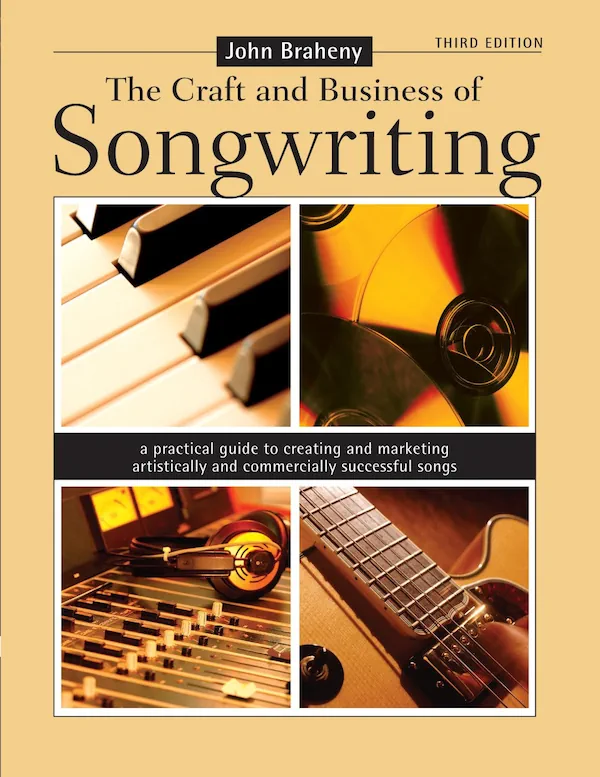
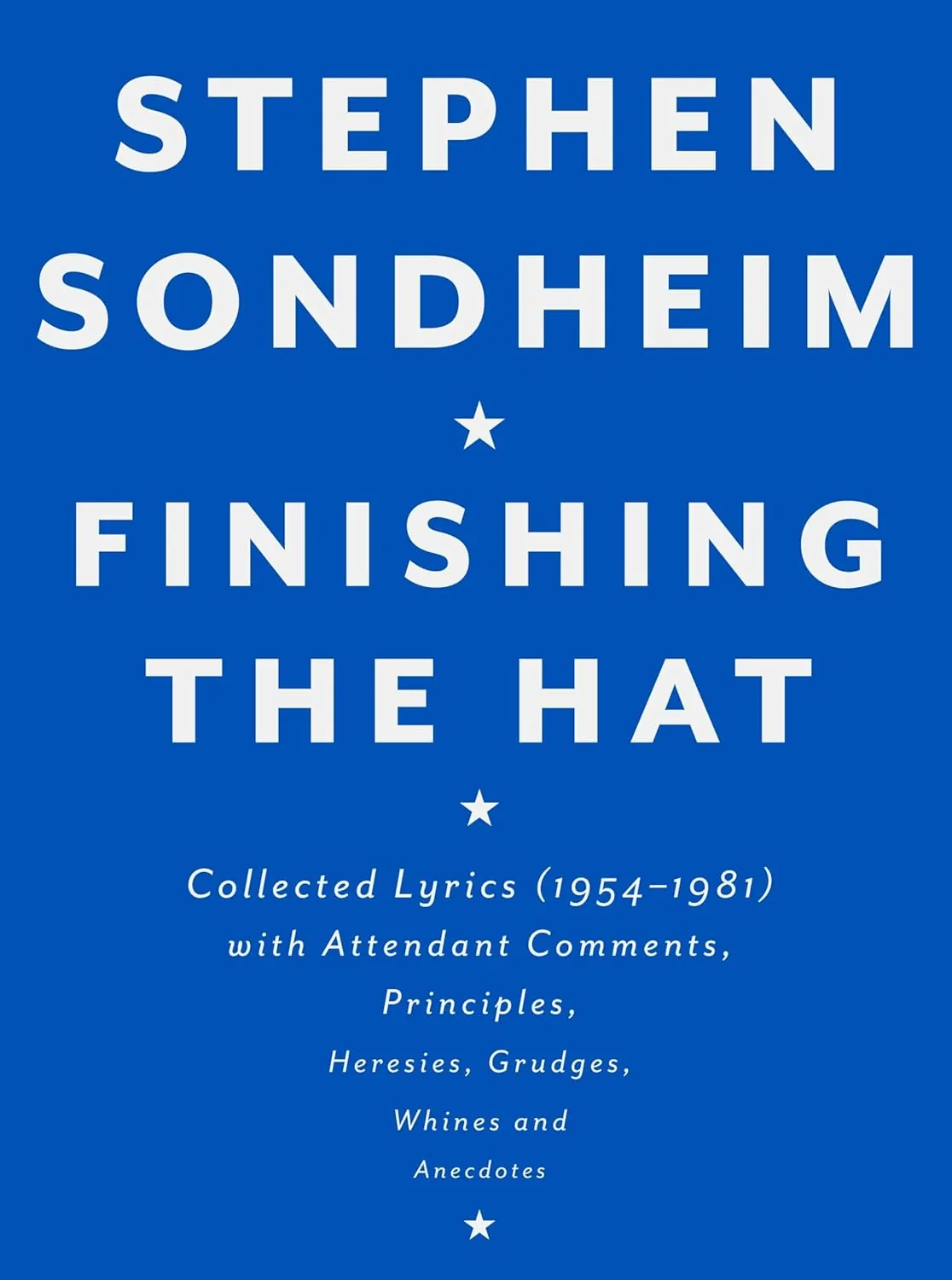
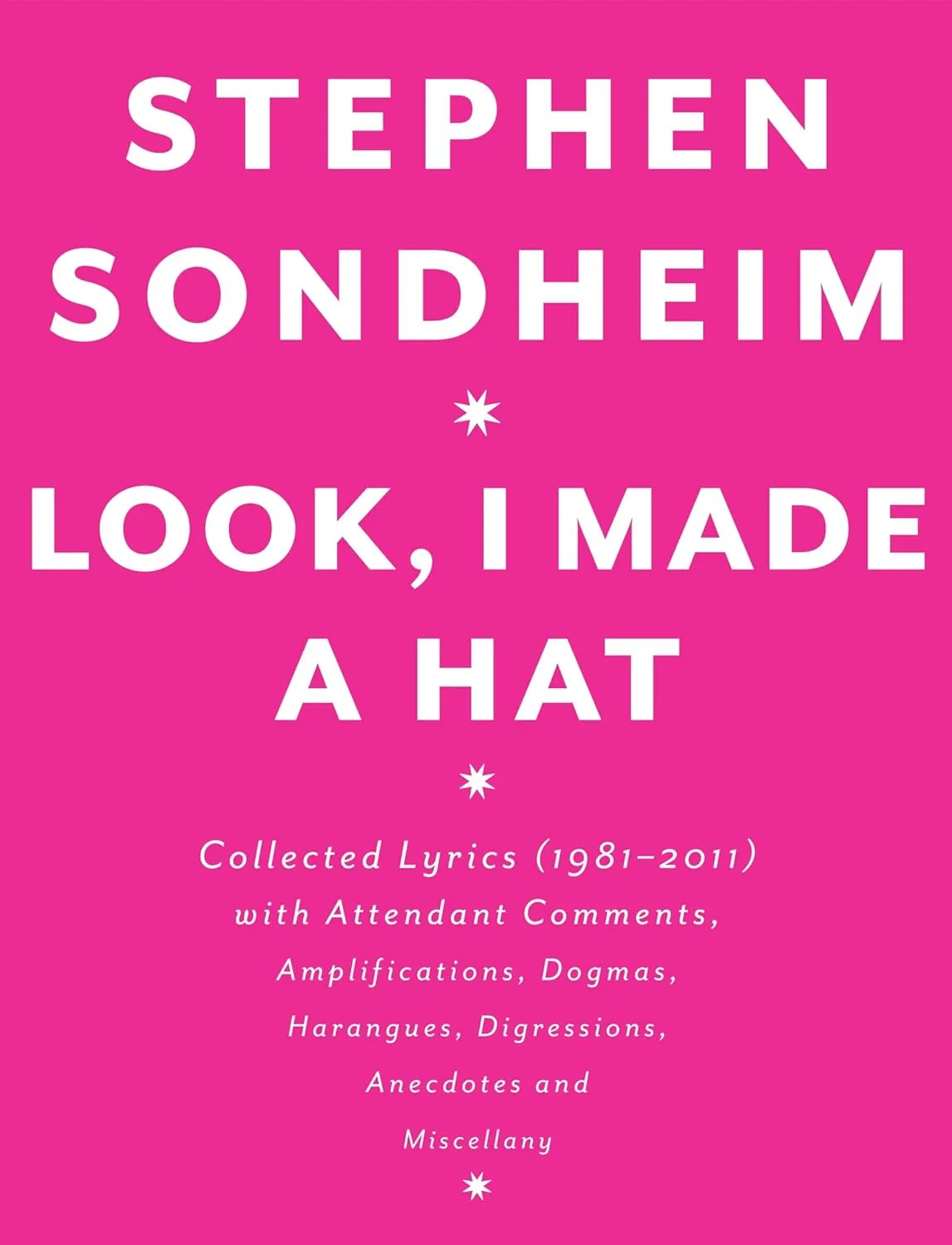
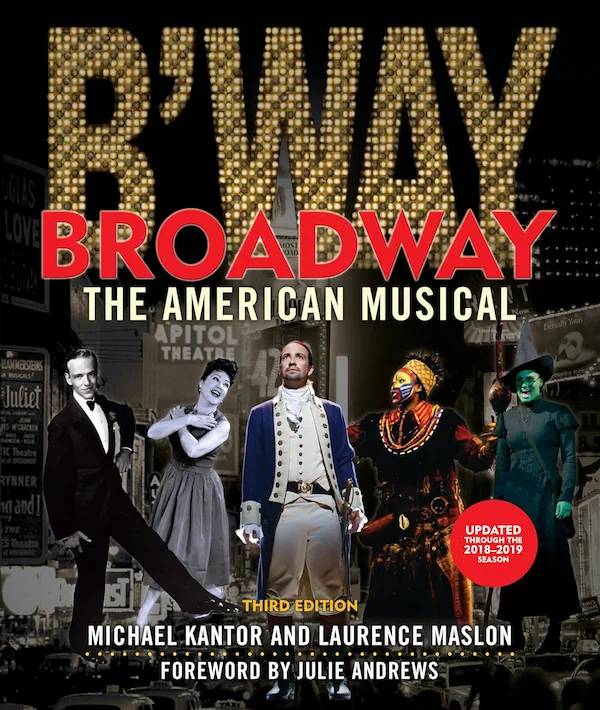
There are many excellent books related to musical theatre, but here are some good ones to start with. The first is a book for writers of musicals. The second is a book on songwriting, with some good coverage of rhyme schemes in particular, but this is not specific to musical theatre (which mainly uses two types of rhymes: so-called perfect rhymes and, less occasionally, identities). The third and fourth are the collected lyrics of Stephen Sondheim, with his thoughts about the craft, including analyzing his own and others' lyrics. The final book is a history of musical theatre. The final book contains formatting guidelines for musical theatre scripts and scores.
*The General Advice quotes listed all have contested attributions, either because it's unclear who first said it or because many people said similar things. "Writing is rewriting" is most often attributed to Ernest Hemingway, among others. "Art is never finished, merely abandoned" has been attributed to such creatives as Da Vinci, Paul Valéry, and WH Auden. "The perfect is the enemy of the good" is often attributed to Voltaire. "Kill your darlings" has been attributed to such writers as Arthur Quiller-Couch, Faulkner, and Ginsberg.









0 Comments